As both a trainer and student of cosmetic tattooing, I get asked “What safety and hygiene standards apply to cosmetic tattoo courses?” all the time – and for good reason. Australia’s got skin penetration treatments categorised as a high-risk industry, and so every decent cosmetic tattoo course is going to have to tick a whole bunch of boxes to make sure students learn the ropes of infection control, industry regulations, and proper prevention practices. You’ve probably found yourself sitting in a salon chair at some point, wondering whether the equipment has been properly cleaned (we’ve all been there), so you already know that safety has got to be the number one priority.
Whether you’re training up in lip blush, ombré brows, nano hairstrokes or eyeliner enhancement, getting the foundational hygiene right is more important than mastering any technique – and if you’re thinking about specialising later on, that’s still true, even when it comes to something like an eyeliner tattoo course or a machine-based brow course. It all comes down to learning about safe skin handling.
Contents
- 1 Key Safety Regulations for Students
- 2 Understanding Your Legal Requirements
- 3 Why Infection Control Is a No-Brainer
- 4 What Your Workstation Should Look Like
- 5 What A Safe Course Should Show On Live Models
- 6 Equipment, Pigments And How Safe Handling Should Be Taught
- 7 Melbourne’s Weather Changes And Why They Matter For Safety
- 8 Table: What A Safe Cosmetic Tattoo Course Must Include
- 9 How Trainers Assess Your Safety Skills
- 10 Dangers of Ignoring Safety Rules
- 11 Final Thoughts – And Your Next Step
- 12 FAQ
- 12.1 Do all cosmetic tattoo courses teach you about infection prevention?
- 12.2 What kind of infections can turn up without proper hygiene?
- 12.3 Do you need consent from your client every single time?
- 12.4 Is an eyeliner tattoo course more sensitive when it comes to hygiene?
- 12.5 How do you find a safe and compliant cosmetic tattoo course?
Key Safety Regulations for Students
These sections break down what you need to know as a cosmetic tattoo student in an Australian training environment. You’ll be expected to learn about the hard-and-fast rules that all reputable providers are going to insist on.
Understanding Your Legal Requirements
When you enrol in a cosmetic tattoo course, you need to know that you’ll be expected to be trained up in line with national Infection prevention and control requirements, because cosmetic tattooing is a regulated industry in Australia. And here in Melbourne, where council inspections are as regular as clockwork, you need to be aware that they’re going to be checking in on your training to make sure you’re meeting the standard.
Most good providers are going to include the national unit HLTINF005: Infection Prevention for Skin Penetration in their curriculum. Even if you’re thinking about specialising in something advanced like an eyeliner tattoo training module later on, you need to start with a solid foundation. Without this unit, a lot of councils won’t even consider letting you work in a registered premises.
That safety training covers off the risks of viral and bacterial infections like staph and hepatitis C, and most importantly, it teaches you how to avoid getting them in the first place by following proper hygiene practices.
Why Infection Control Is a No-Brainer
You can’t get your brows looking perfect or create a precise eyeliner wing if your hygiene isn’t up to scratch. Every reputable cosmetic tattoo course is going to have to cover:
- Proper hand hygiene, and what the Australian standards are
- Safe and proper use of sterile gloves
- How to dispose of clinical waste properly
- Managing a sharps container that’s compliant
- Spotting whether the packaging is sterile
- Doing a pre-procedure skin assessment
- Why sterile alcohol swabs are so important
- The safety side of topical anaesthetics
- Client consent is also a big one
And yeah, even if your dream is to one day specialise in eyeliner tattoo courses, infection prevention is always going to be your top priority.
What Your Workstation Should Look Like
A clean and respectable workstation is consistent, predictable and squeaky clean – that’s the bottom line. In all your training sessions, you’ll be judged on how to set your workstation up properly, how to handle those ink pigments safely, and how to keep those sharps and trolleys well-organised in their designated zones – all while keeping those hands as spotless as you can.
A course that just decides to give you a free pass on cleanliness isn’t going to do you any favours in the real world – and that’s especially true if you ever decide to get more advanced training in something like eyeliner tattoo courses, where anything less than perfection is a recipe for disaster.
If you see your trainer messing about with their phone using their gloved hands, you’ve just picked up on an important lesson: your training’s probably not all you thought it was.
What A Safe Course Should Show On Live Models
Live models are where all your theory gets tested in the real world. Getting the preparation right, using equipment without getting it all contaminated and making the right changes with your gloves are all non-negotiables.
When I’ve got students doing ombré brow work, nano hair strokes or working on eyeliner enhancements, I’m on the lookout for any sign of sloppy hygiene and – more often than not – I’m called in to put things right on the spot. And more than once, students have only really twigged the importance of following the rules while they’re stuck on a supervised model session – especially if they’re planning on pushing the boundaries with something as intricate as advanced eyeliner tattoo courses.
Equipment, Pigments And How Safe Handling Should Be Taught
Your training should be clear as crystal about how to spot when equipment’s been properly packaged, how to handle your needles without causing problems, what’s involved in keeping those pigments in good nick, correct ways to get rid of your old equipment and how to get the most out of your machine without causing yourself or anyone else any harm.
Whether your goal is to create some natural-looking lip blush or to come up with a crisp black eyeliner, all that high-end work – including super-specialist eyeliner tattoo training – relies on a proper foundation of safety skills. Sloppy handling of gear is one of the quickest ways to end up in trouble.
Melbourne’s Weather Changes And Why They Matter For Safety
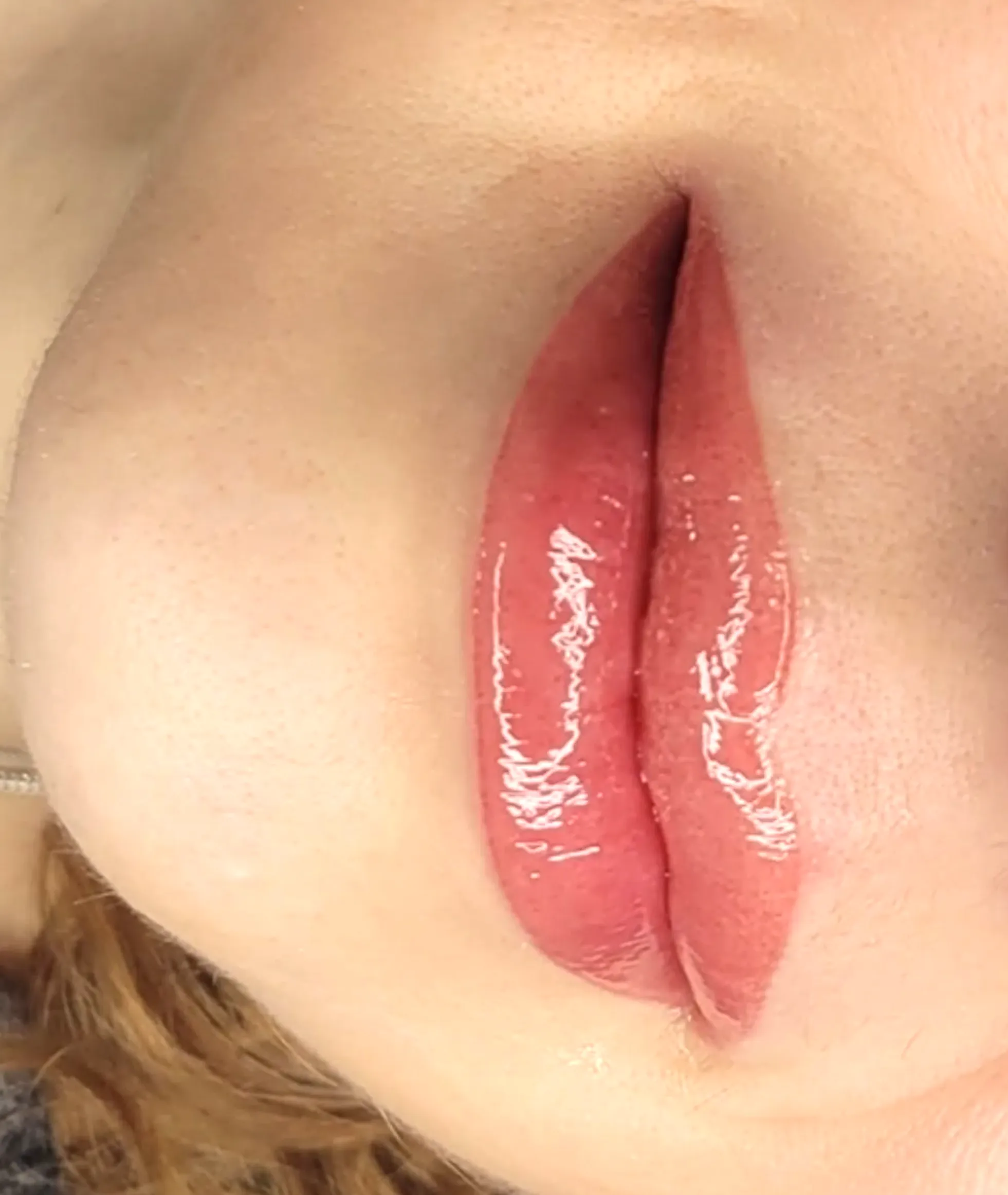
Melbourne’s weather is as changeable as it is unpredictable – and your skin behaves differently depending on whether it’s baking in the sun or chugging through a cold snap. So, your course should be teaching you about how all these seasonal changes affect the way you handle infection control, skin healing, swelling and pre-care.
And that’s especially important if you’re planning to specialise in something really delicate like ombré brows or a proper eyeliner job – both of which require some level of knowledge that you’re usually only going to find inside top-class cosmetic tattoo courses.
Table: What A Safe Cosmetic Tattoo Course Must Include
| Training Component | Mandatory for Safety & Compliance | Optional but Helpful | Why It Matters |
|---|---|---|---|
| Infection prevention training | ✔️ | ❌ | Legal requirement for all skin penetration treatments |
| Clinical waste management | ✔️ | ❌ | Prevents contamination and legal breaches |
| Sharps handling & disposal | ✔️ | ❌ | Required under Australian standards |
| Proper workstation setup | ✔️ | ❌ | Foundation for safe practice |
| Colour theory | ❌ | ✔️ | Important for healed results |
| Client consent protocols | ✔️ | ❌ | Required ethically and legally |
| Sterile packaging identification | ✔️ | ❌ | Prevents infection and cross-contamination |
Victorian Department of Health has found that over 90 per cent of complaints in skin penetration industries boil down to people failing to keep up with basic hygiene practices, rather than any lack of artistic skill.
How Trainers Assess Your Safety Skills
A top-notch cosmetic tattoo course needs to put your skills through their paces by:
- Testing your knowledge on infection prevention and hygiene
- Making sure you can get on and off those gloves like a pro
- Checking out how you handle sharps
- Evaluating your ability to set up a safe workspace
- Seeing how you have a client consultation and get their consent
- Checking you know how to handle clinical waste properly
- Testing your ability to spot when your client might be at risk of an infection
You shouldn’t go for an eyeliner tattoo course – or any advanced program for that matter – until you can show that you consistently get these things right.
Dangers of Ignoring Safety Rules
Ignoring the infection control guidelines is a recipe for disaster and can lead to:
- Clients getting infected
- Council slapping you with fines
- Treatment rooms are getting shut down
- The spread of blood-borne viruses like hepatitis C
- A whole world of legal problems
- Long-term damage to your career
And it’s not just your technique that suffers – it’s your safety skills that take a hit. That’s why you need to pick trainers who make hygiene a top priority at every level of training, including advanced modules like the eyeliner tattoo course.
Final Thoughts – And Your Next Step
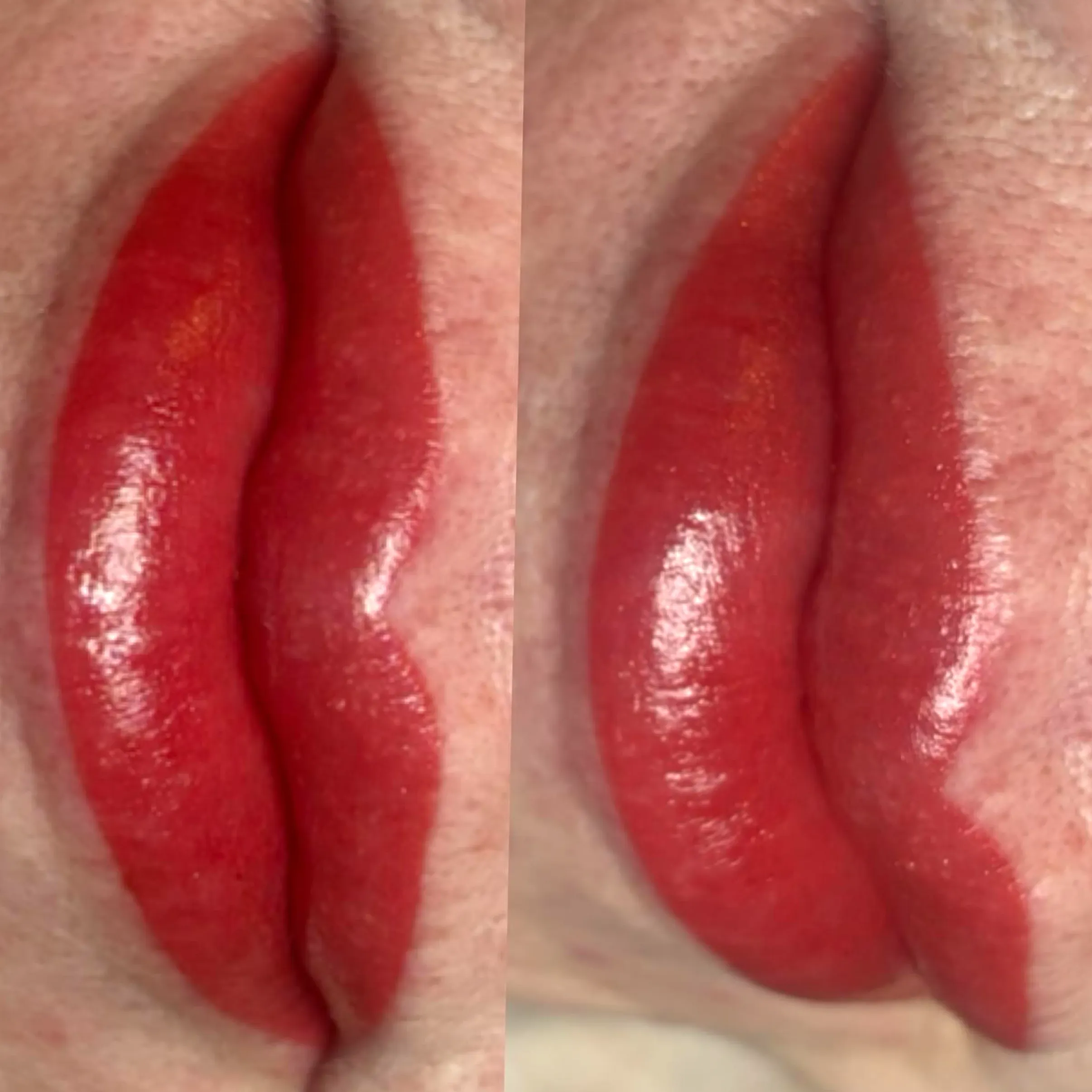
Safety isn’t something to be glossed over – it’s the foundation on which your whole career is built. Clean hands, proper tools, all the right procedures and a decent workspace are what keep your clients safe. And whether you’re just starting or preparing to upskill through an advanced eyeliner tattoo course, training with a studio like the Cosmetic Tattoo Studio will put you on the road to long-term success.
FAQ
Do all cosmetic tattoo courses teach you about infection prevention?
The good ones do – especially if they’re offering advanced modules like the eyeliner tattoo course or training on machines for brows.
What kind of infections can turn up without proper hygiene?
Local bacterial infections, staph, hepatitis C and all sorts of problems with skin healing.
Do you need consent from your client every single time?
Yes – every single treatment, every single model, every single service.
Is an eyeliner tattoo course more sensitive when it comes to hygiene?
Yes, because you’re working right up close to the eye, an eyeliner tattoo course requires an even higher level of hygiene practice.
How do you find a safe and compliant cosmetic tattoo course?
Look for courses that teach infection control, dispose of sharps safely, know Melbourne regulations and are being supervised by experienced trainers.