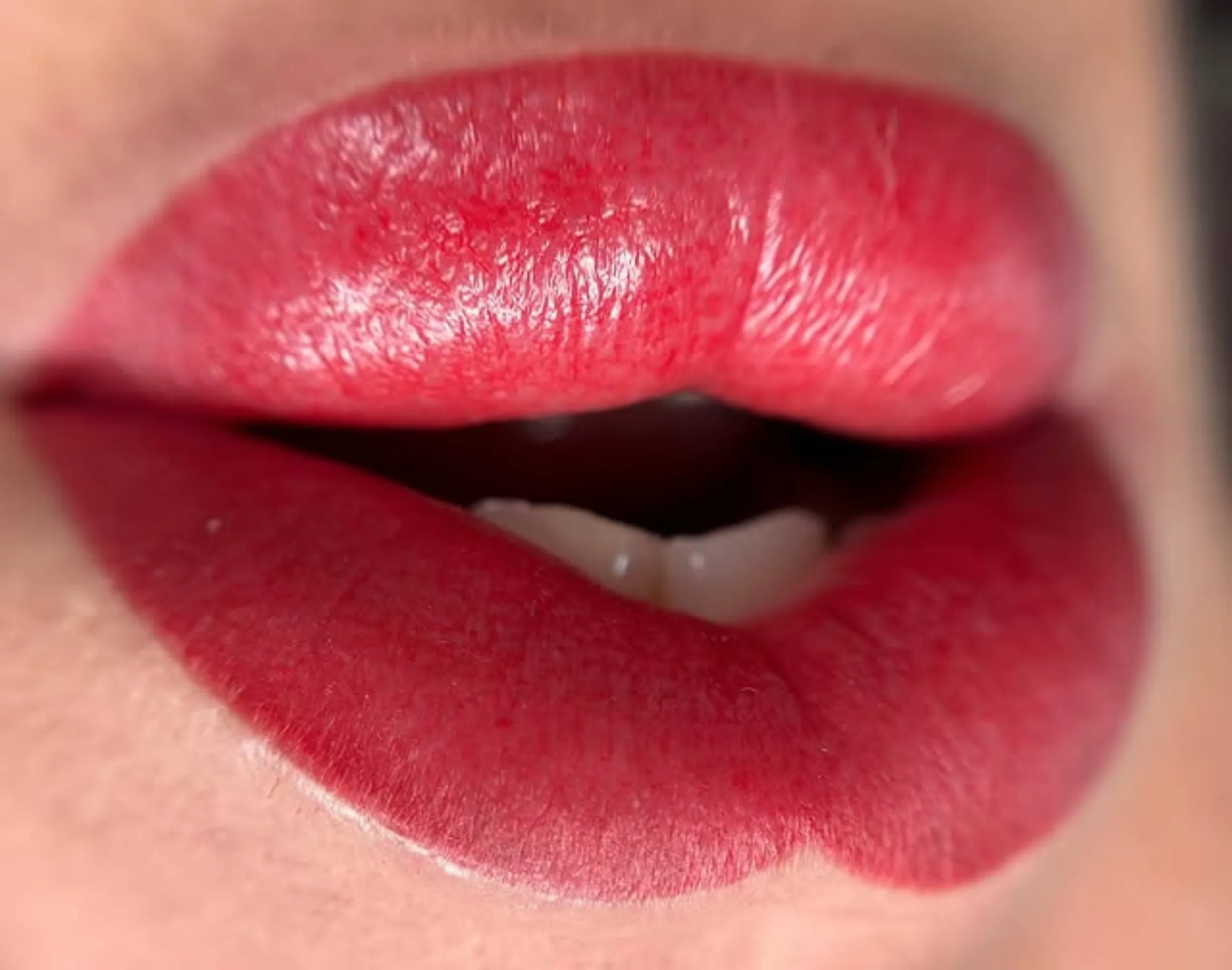
So you’ve invested in cosmetic tattooing or considered it, and you’re wondering: “Does lip blush last over time?” As a cosmetic tattoo artist in Melbourne who’s seen lips of every shape, colour and skin type walk through my doors, I can tell you—this question isn’t just common, it’s crucial.
Because here’s the truth: not all lip blush results age equally. And no one wants to pay for a cosmetic procedure only to watch it disappear faster than a matte lipstick at a bottomless brunch. In this guide, I’ll take you through how lip blush evolves, what affects its staying power and how you can get the most out of your tattoo—years down the line.
—Olha Po, Cosmetic Tattoo Artist & Founder of Cosmetic Tattoo Melbourne Studio Face Figurati
Contents
- 1 It’s Not Forever, But It’s Not Fading Tomorrow Either
- 2 Here’s what affects how long lip blush really lasts:
- 3 What to Expect Year by Year
- 4 How Skin Type and Age Affect Tattoo Longevity
- 5 Pigment Quality and Artist Technique Matter
- 6 Lifestyle Habits That Can Make Your Results
- 7 Real Client Stories
- 8 When (and Why) to Book a Colour Refresh
- 9 Natural Tones with Long-Term Appeal
- 10 The Verdict
- 11 FAQ
It’s Not Forever, But It’s Not Fading Tomorrow Either
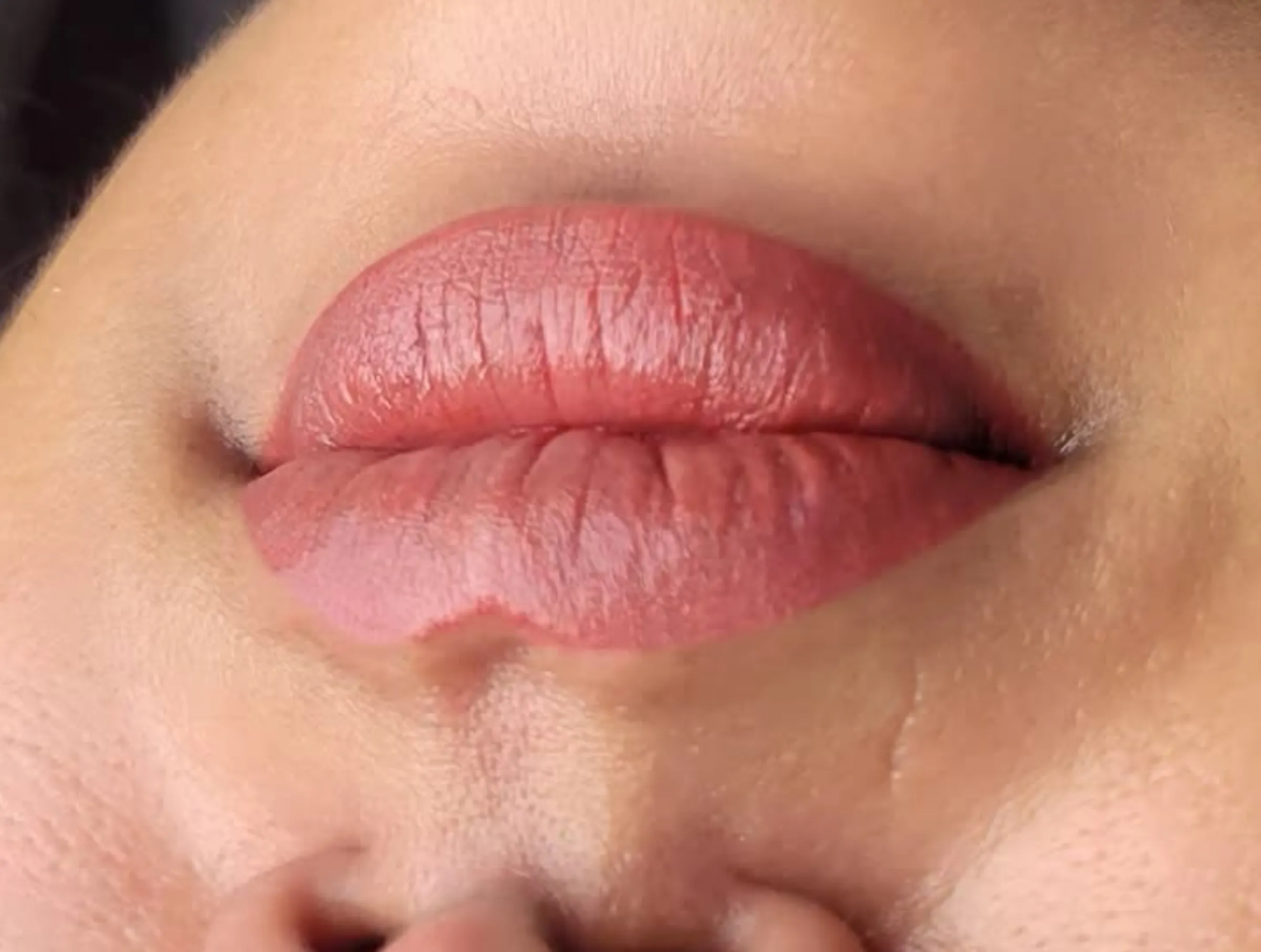
Let’s get one thing straight: lip blush is semi-permanent makeup. That means the pigment will fade over time—but not overnight. A typical result from lip tattooing lasts between 2 and 5 years, depending on your skin type, lifestyle and how well you look after your lips.
On average, most of my clients come back for a colour refresh or touch-up session between 18–30 months. The longevity sweet spot sits somewhere around the two-year mark.
Here’s what affects how long lip blush really lasts:
- Skin type: Oily skin fades faster.
- Sun exposure: Hello Aussie UV rays—daily SPF or a protective lip balm is a must.
- Lifestyle factors: Smoking, frequent exfoliation and certain medications can shorten the life of your semi-permanent results.
- Aftercare routine: That first week matters more than most people realise. Follow your healing process carefully.
What to Expect Year by Year
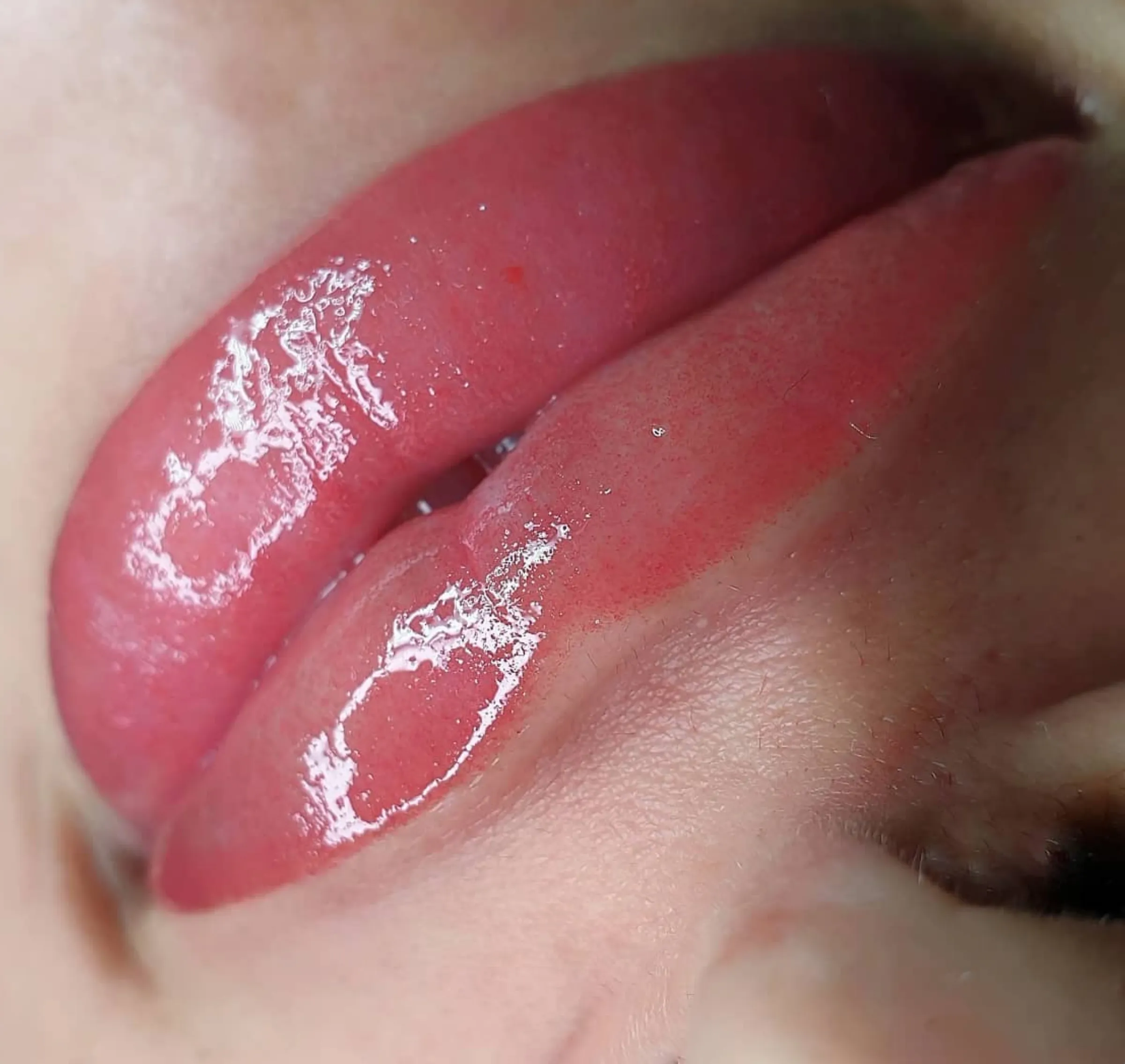
Here’s a rough outline of how lip blush holds up over time if you follow proper aftercare and live a fairly average lifestyle (Melbourne coffee and spontaneous wine nights included).
| Timeframe | What’s Happening with Your Lip Blush |
|---|---|
| 0–7 days | Healing begins. Lips will flake and the colour may lighten up to 50%. |
| 2–4 weeks | Colour settles. The final hue is visible, usually softer and more natural-looking. |
| 6–12 months | The pigment remains vibrant but may begin softening, especially at the lip border. |
| 18–24 months | Most clients notice enough fading to consider a top-up session. |
| 3–5 years | Without follow-up appointments, the pigment will gradually fade to a whisper of the original tone. |
Every person’s fade pattern is unique. Some of my clients barely need a top-up for 3 years. Others like to refresh more often to keep their lipstick looking fresh.
How Skin Type and Age Affect Tattoo Longevity
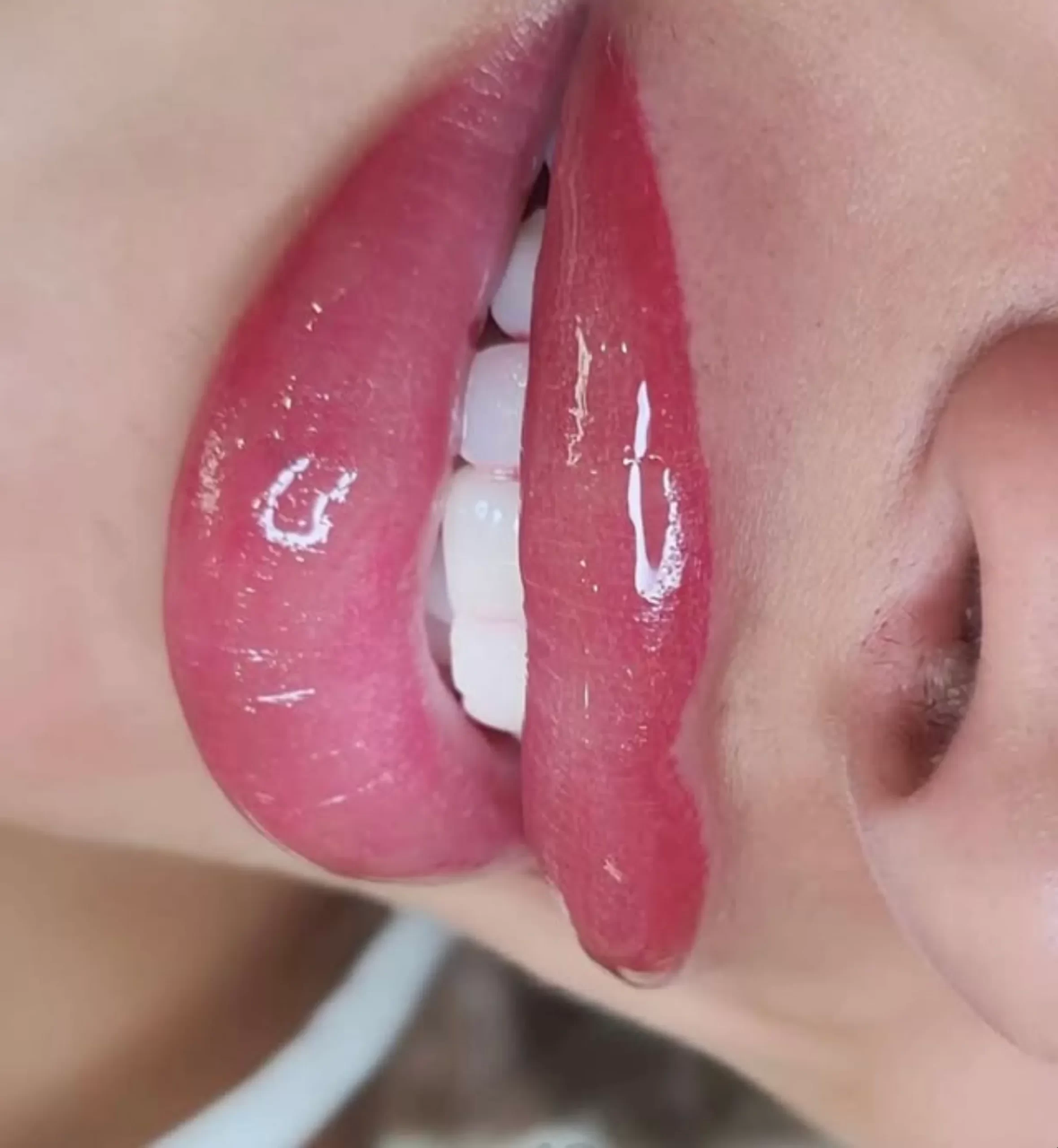
If you have mature skin or fine lines around your mouth you might be thinking “Will my lip blush fade faster?” Not necessarily. In fact drier or less oily skin can sometimes retain pigment better during the healing process.
That being said older lips may take a little longer to heal and it’s crucial we map out the lip shape precisely to account for natural volume loss. At Cosmetic Tattoo Melbourne Studio Face Figurati I always take extra care with mature lips—factoring in things like feathering, hydration and symmetry.
Clients with fair or thin skin often see a slightly faster fade especially in the outer lip line. This is why shape correction and tone blending are just as important as the initial pigment match.
Pigment Quality and Artist Technique Matter
Not all pigments are created equal and technique plays a huge role in how long your results last. I use high quality, certified pigment shades specifically formulated for lips which are designed to fade true-to-tone—no weird blues, greys or oranges years later.
The depth at which the pigment is implanted also matters. Too shallow and it fades too fast. Too deep and it may heal patchy or ashy. A skilled tattoo artist (like me) hits that Goldilocks zone using either a cosmetic tattoo gun or a manual machine to ensure even retention and smooth fading.
Whether you’re getting a cosmetic lip tattoo for shape correction or a soft lip blushing tattoo to add warmth and fullness the experience and technique of your artist will determine how well it holds up.
Lifestyle Habits That Can Make Your Results
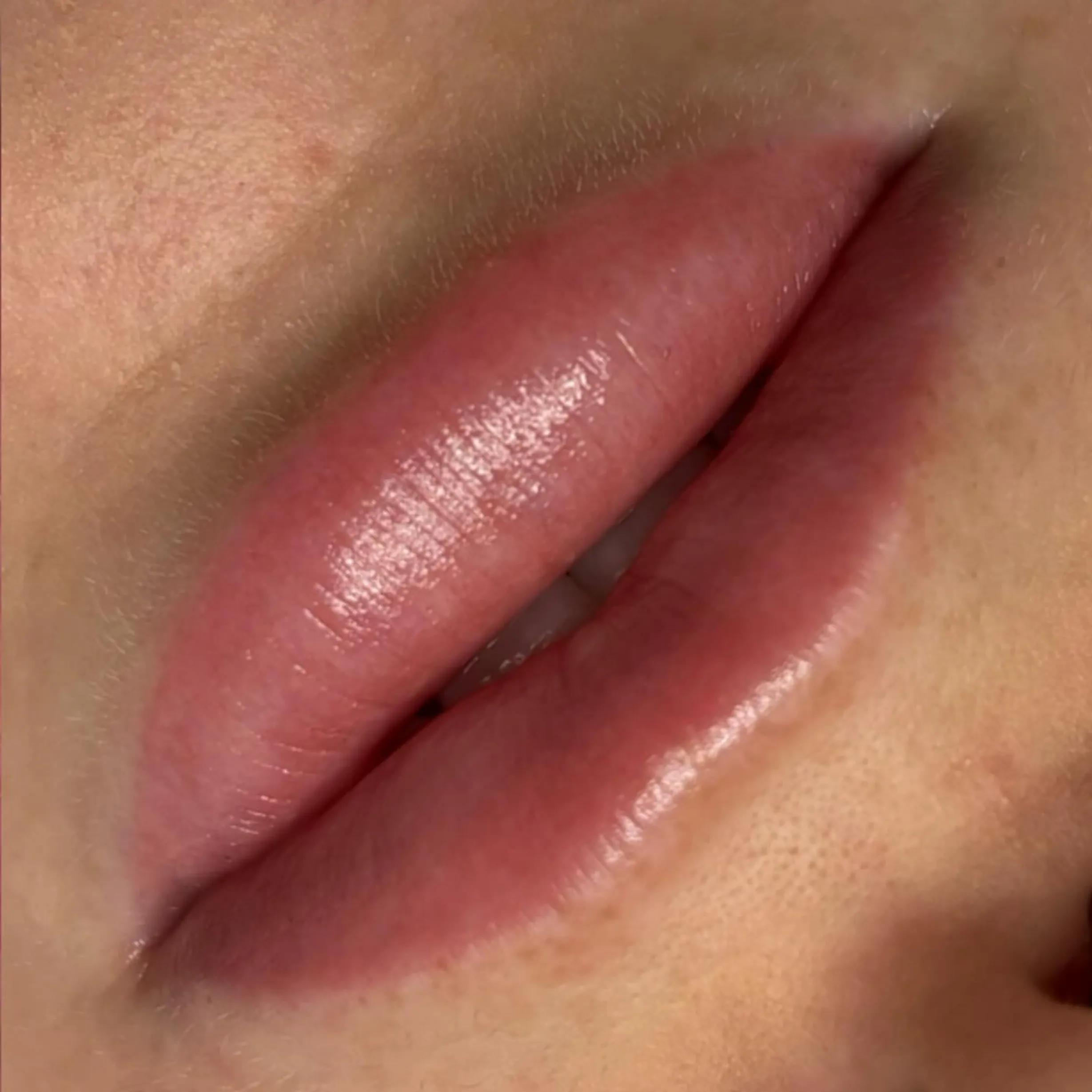
Melbourne’s outdoor lifestyle is beautiful—but it’s tough on cosmetic tattoos. If you’re a beach lover, frequent exfoliator, smoker or skincare junkie you’ll need to be extra careful.
Here’s what can speed up fading:
- Sunbaking without SPF or lip balm
- Smoking or vaping
- Using active ingredients near the lips (retinol, AHA, etc.)
- Frequent lip scrubs, chemical peels or harsh beauty routines
- Cold sores or frequent picking during healing timesLip care = tattoo care.
Real Client Stories
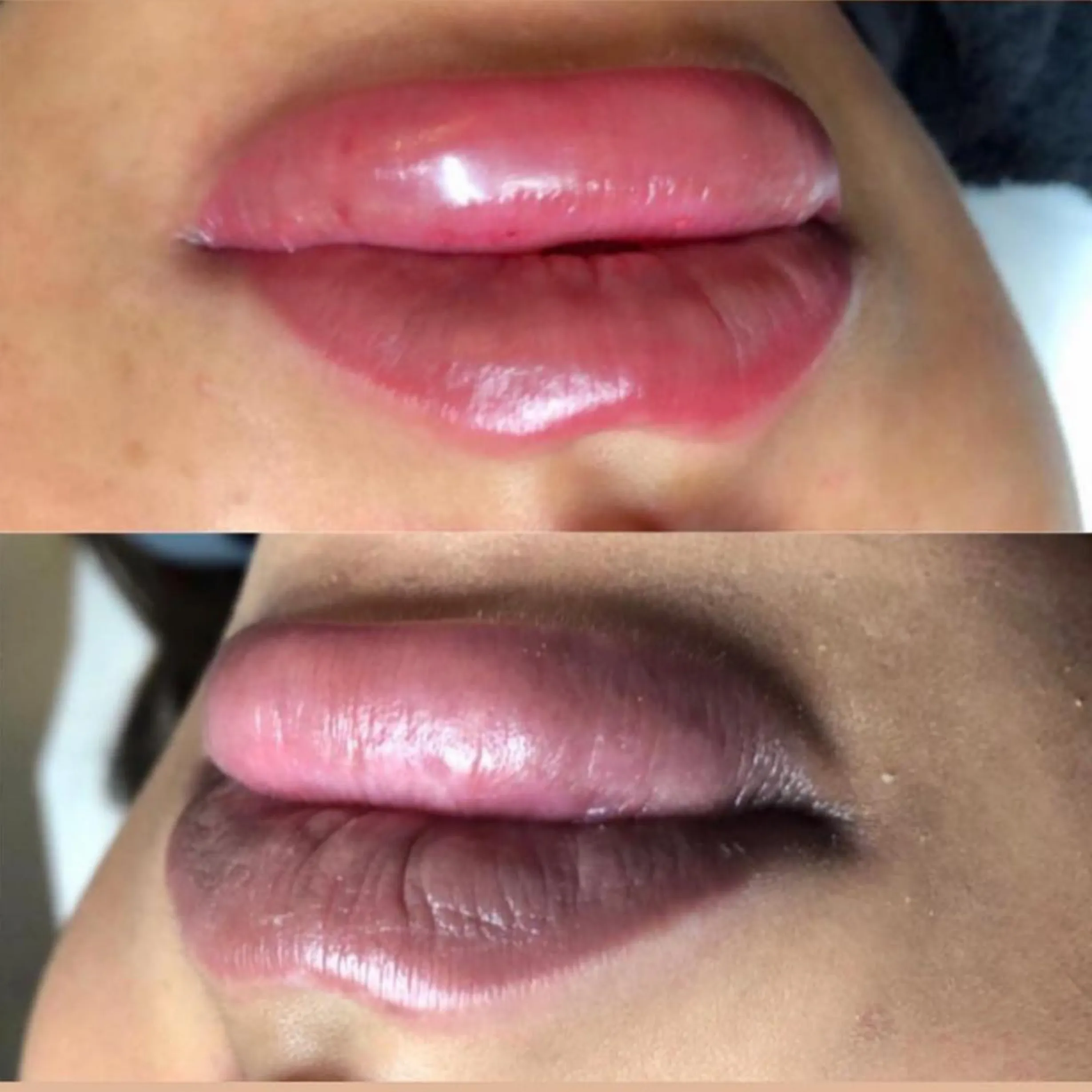
One of my regulars, Claire, first came in for a lip blush tattoo in 2020. She wanted a soft nude that looked like her natural lip shape—but with more definition. She came back for her first refresh in early 2023, still loving the tone but wanting to sharpen the lip line.
Another client, Aria, who works outdoors and loves to surf, needed a refresh at the 16-month mark—her fade was quicker thanks to all the sun and salt. We adjusted her pigment shades and worked to match her fuller lips while still enhancing her natural colour.
And then there’s Lisa, who’s in her mid-50s. She waited nearly 4 years for her top-up and still had a natural flush, though the shape had softened a bit.
When (and Why) to Book a Colour Refresh
The sweet spot for a lip blush refresh? Around 18 to 24 months.
You don’t have to wait until the pigment is completely gone—in fact, I recommend topping it up before that point. It’s easier on the skin and you won’t have to start from scratch. A refresh usually takes 1.5 to 2 hours and is less than the initial tattooing procedure.
At Cosmetic Tattoo Melbourne Studio Face Figurati, I’ll assess your existing colour, lip health and lifestyle before we decide on a plan. That way you’re in control of your look as it evolves. This is also the perfect time to ask if cosmetic lip tattoo may be needed—especially if you have deeper or uneven lip tones.
Natural Tones with Long-Term Appeal
According to 2025 trend reports, lip blush is going more natural than ever. Think warm nudes, dusty pinks and barely-there berry tints—tones that age well and suit most skin types.
Clients are moving away from sharp lines and saturated colours and opting for soft blends that mimic full lip colour tattoo effects without looking overdone. The bonus? These colours fade evenly and suit all ages and lip filler preferences.
A lip blush tattooing in one of these softer tones is not only trendy—it’s timeless.
The Verdict
So does lip blush last? Yes—when done well, looked after and chosen for your lifestyle it does. It won’t last forever but it’s not meant to. It’s meant to enhance, evolve and fade gently until you’re ready for the next chapter.
Whether you’re booking your first lip blushing tattoo or a top-up, know your lips are in good hands here at Cosmetic Tattoo Melbourne Studio Face Figurati. We’ll give you fuller lips or enhance your natural colour—whatever you want.
FAQ
How long before I need a touch-up?
Most clients book in 18-24 months depending on skin type, habits and colour goals.
Does it fade completely?
Yes, eventually—but not overnight. It will lighten over 2-5 years and may leave a soft tint unless removed.
Can I make my lip blush last longer?
Yes. Daily SPF, a protective lip balm, proper aftercare and avoiding exfoliants and cold sores will help preserve your colour.
Will it turn blue or orange as it fades?
Not if done with quality pigments by an experienced lip blush artist. I use colour-stable formulas that fade naturally.
How often can I get a touch-up?
Most clients get a touch-up every 1.5 to 2 years. Too frequent touch-ups or tattooing can oversaturate or irritate the skin so timing and lip health matter.