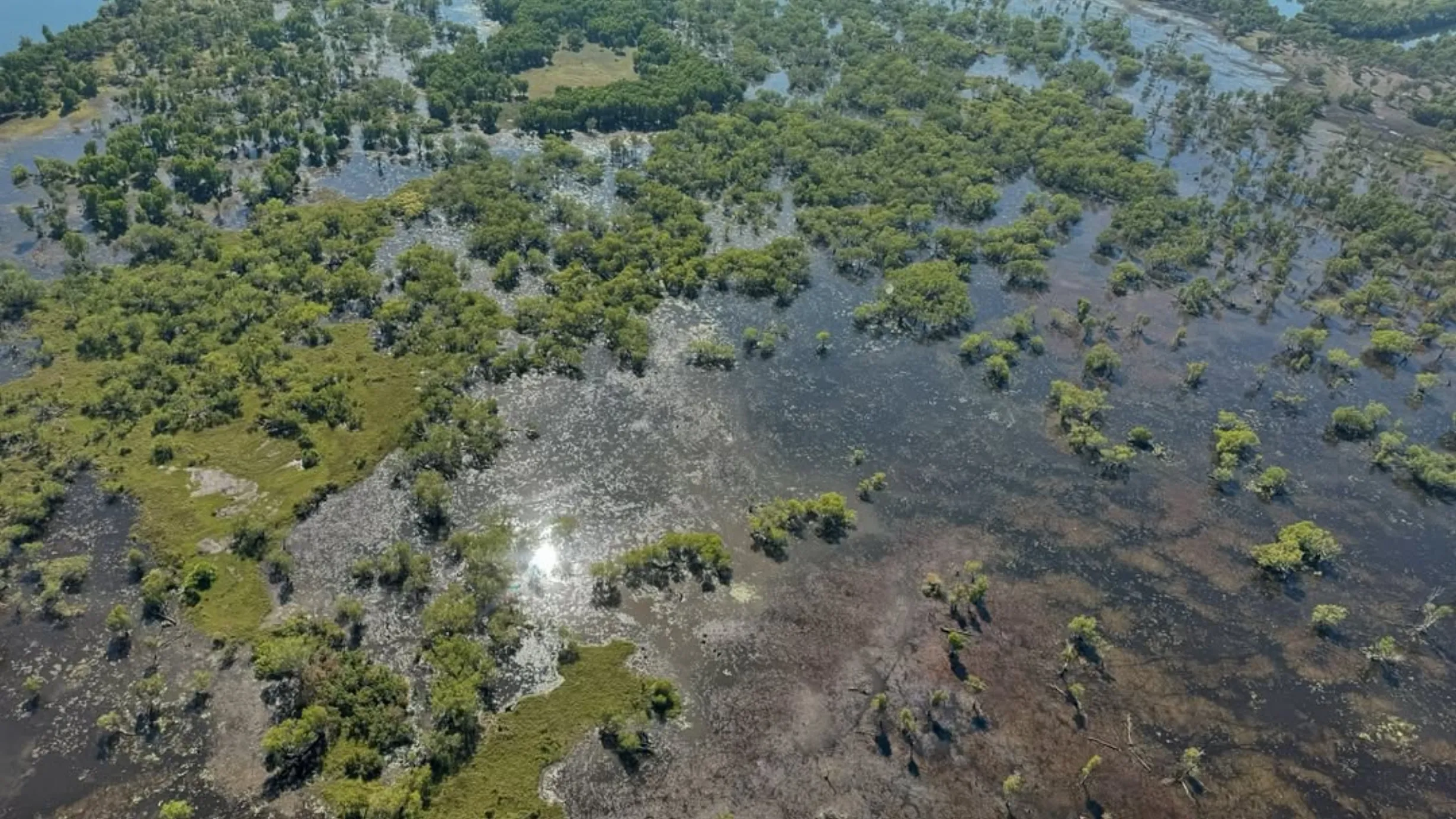
Kakadu National Park, one of Australia’s most beautiful natural wonders, is a UNESCO World Heritage site known for its breathtaking landscape, cultural importance, and amazing wildlife. Located in the Northern Territory, it’s got an overflow of water, untouched landscape, and rock shelters that give us a glimpse into the past. But when was Kakadu National Park discovered?
European explorers started mapping the area in the 1800s, but the land had been occupied by Aboriginal people for over 65,000 years. The park has some of the world’s oldest archaeological sites, with rock art styles at Nourlangie Rock and Anbangbang Billabong showing the traditions of the Aboriginal people over thousands of years.
Contents
The First Discoverers
The Aboriginal people of Kakadu, the Bininj/Mungguy, have lived in this Aboriginal land for people for thousands of years. Their knowledge of natural values, plants and seasons is still crucial to the park’s cultural sites and ecological management today.
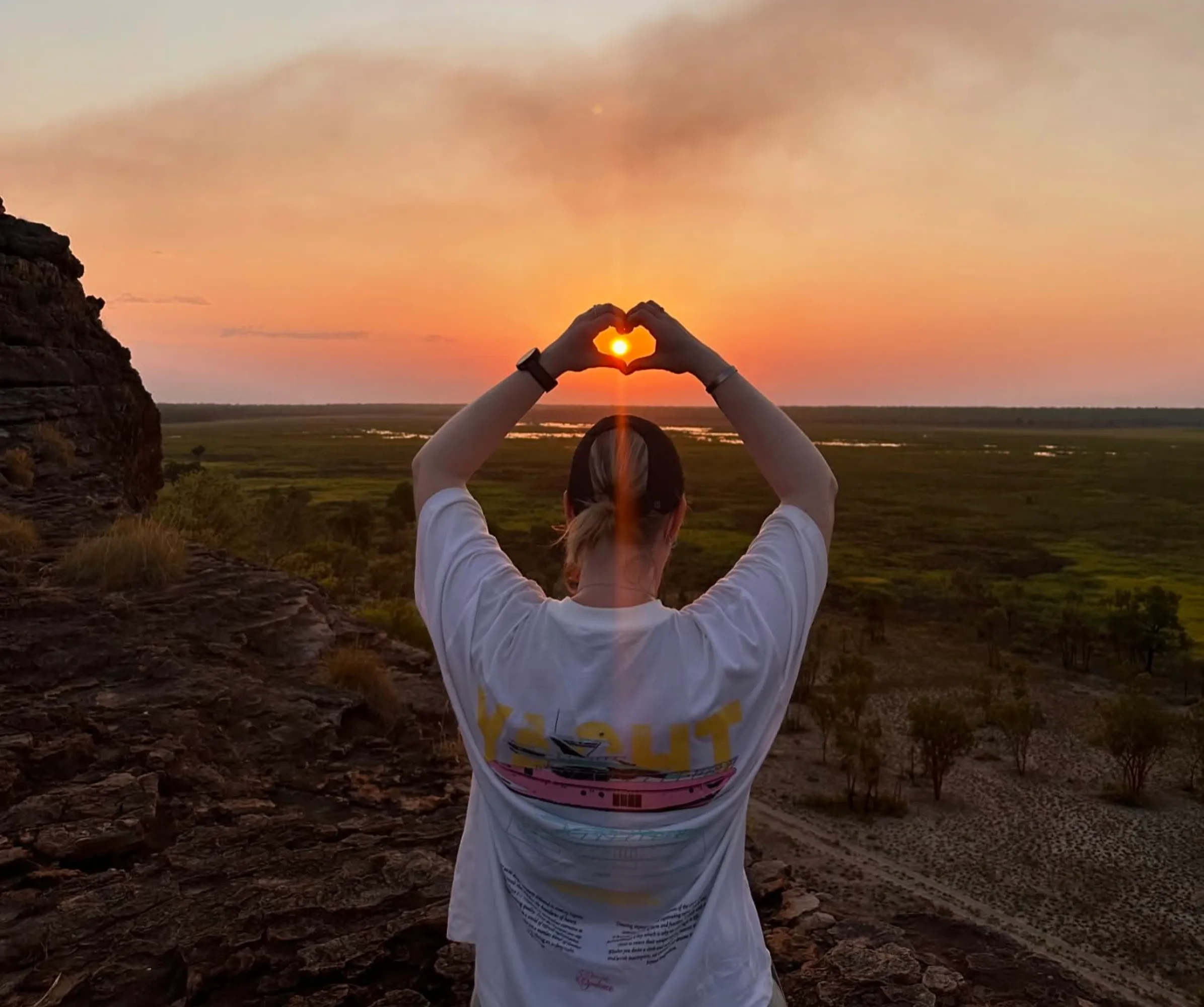
You can see evidence of their connection to the land in rock outcrops, art sites, and camping sites. The amazing paintings at Nourlangie Rock and Ubirr show early depictions of freshwater fish, frog species, bird species and estuarine crocodiles. The region’s untouched landscape is also a breeding ground for many mammal populations, so it’s an important part of Aboriginal hunters’ seasonal movements.
European Exploration and Settlement
The first European to explore the Kakadu region was Abel Tasman in the 1800s. Later in the 1900s Crocodile hunters, pastoral industry workers and small scale gold mining operators were active.During the mining rushes areas like Mundogie Hill and Coronation Hill were famous for their uranium mines and uranium deposits. Mining camps were set up and towns like Pine Creek boomed with small scale gold mining. The buffalo hunting industry also took off with feral buffalo populations spreading across the region.
By the mid-1900s government inquiries into land claim and inquiry into land use led to the conversation about conservation. This eventually led to the creation of National Park Australia in 1979 managed by Parks Australia with the Aboriginal people.
Unique Environment and Biodiversity
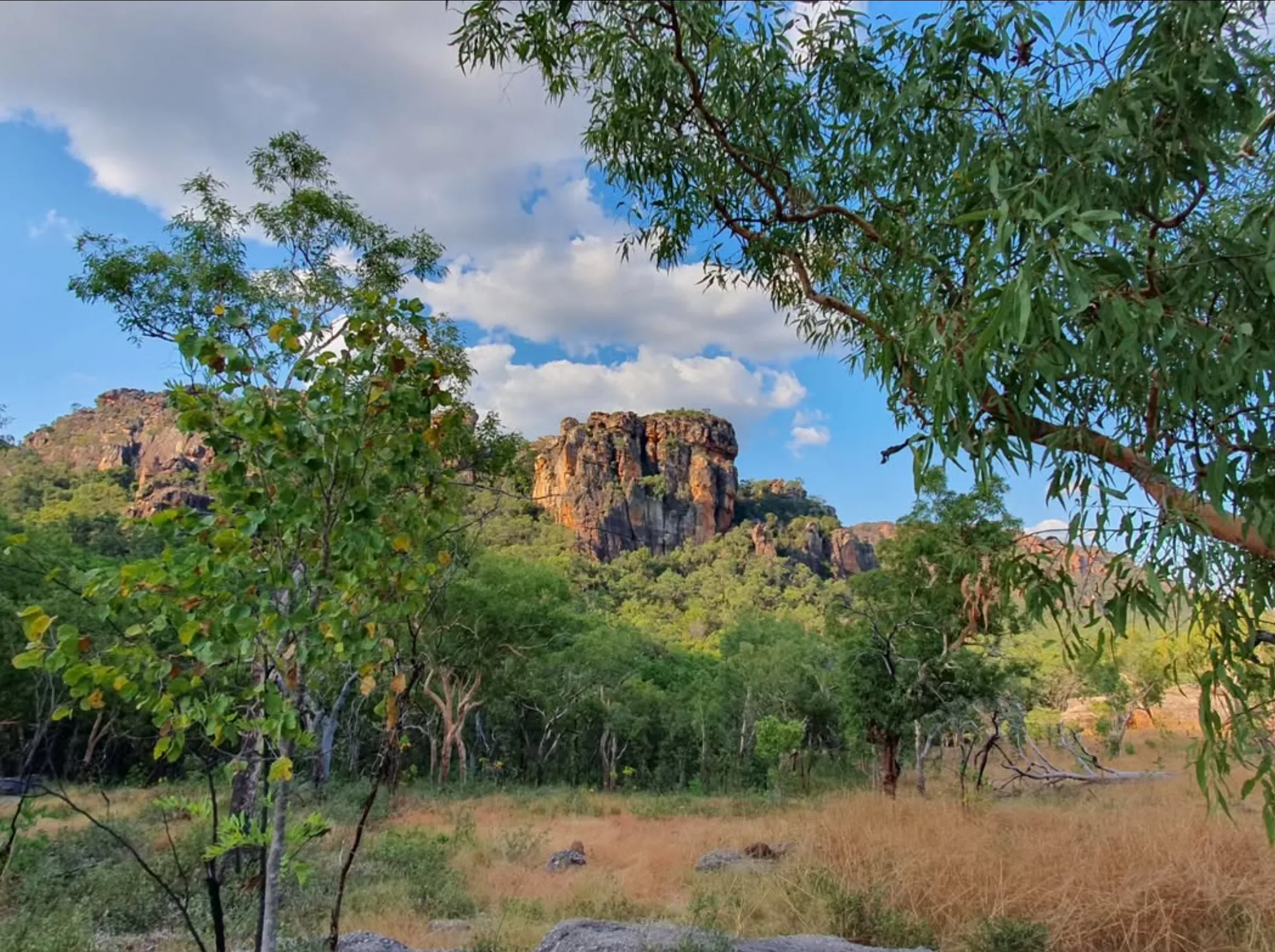
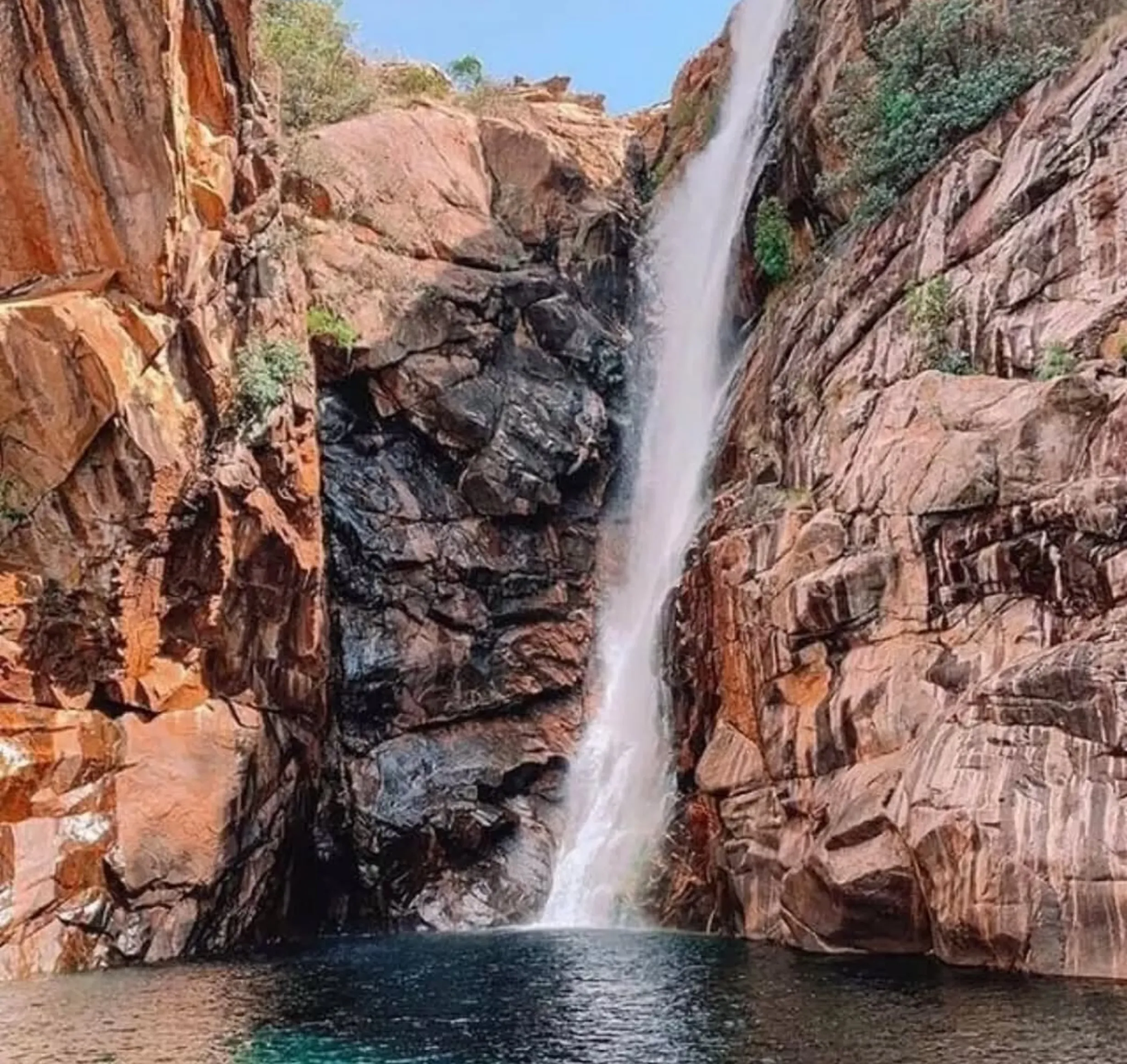
Kakadu is famous for its beauty, stunning waterfalls, gorges and diverse environments. The park is split into lowland forests, pockets of monsoon forest, wetlands and southern hills, each with wildlife habitats.
Flora and Fauna
The park has water lilies, succulents and feature sedges growing in nutrient rich soils and alluvial soils along the river banks. The pockets of freshwater mangroves and mangroves are breeding grounds for native fish and common animals.
Magela Creek, South Alligator River and Mary River support saltwater crocodiles, freshwater crocodiles and pig-nosed turtles. Spike rush and paper bark trees provide shelter for northern bullfrog, dragonfly nymphs and many insects.
Climate and Seasonal Changes
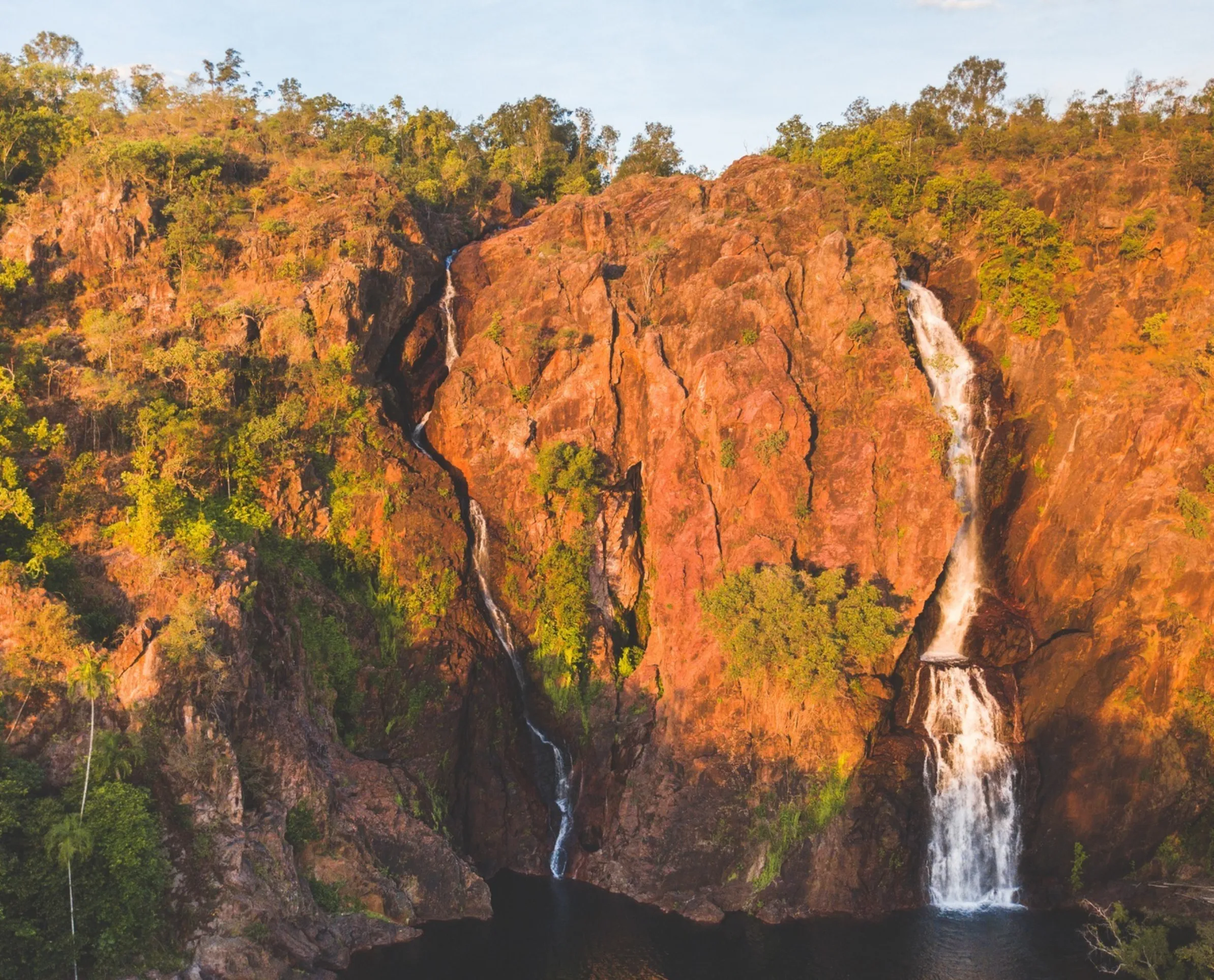
Kakadu has extremes of climate, wet and dry.
- Wet Season: Heavy rainfall, monsoon troughs and tropical cyclones turn the area into an ocean of water. Wet season hunting opportunities increase as the park is full of native fish and plenty of food.
- Dry Season: With warm temperatures, midday heat and extreme heat, animals like Snake-necked Turtle and marbled frog adapt to survive in the drying waterholes. The maximum temperature in Kakadu can go over 40°C so many species have to regulate their body temperature by seeking rock overhangs and isolated waterholes.
Tourism and Attractions in Kakadu
As a nature lover’s paradise Kakadu has many wildlife cruises to choose from, Yellow Water Cruises that visit the Yellow Water Billabongs. You can also do scenic flights to see the dramatic landscape of Jim Jim Falls, Twin Falls and Koolpin Gorge.
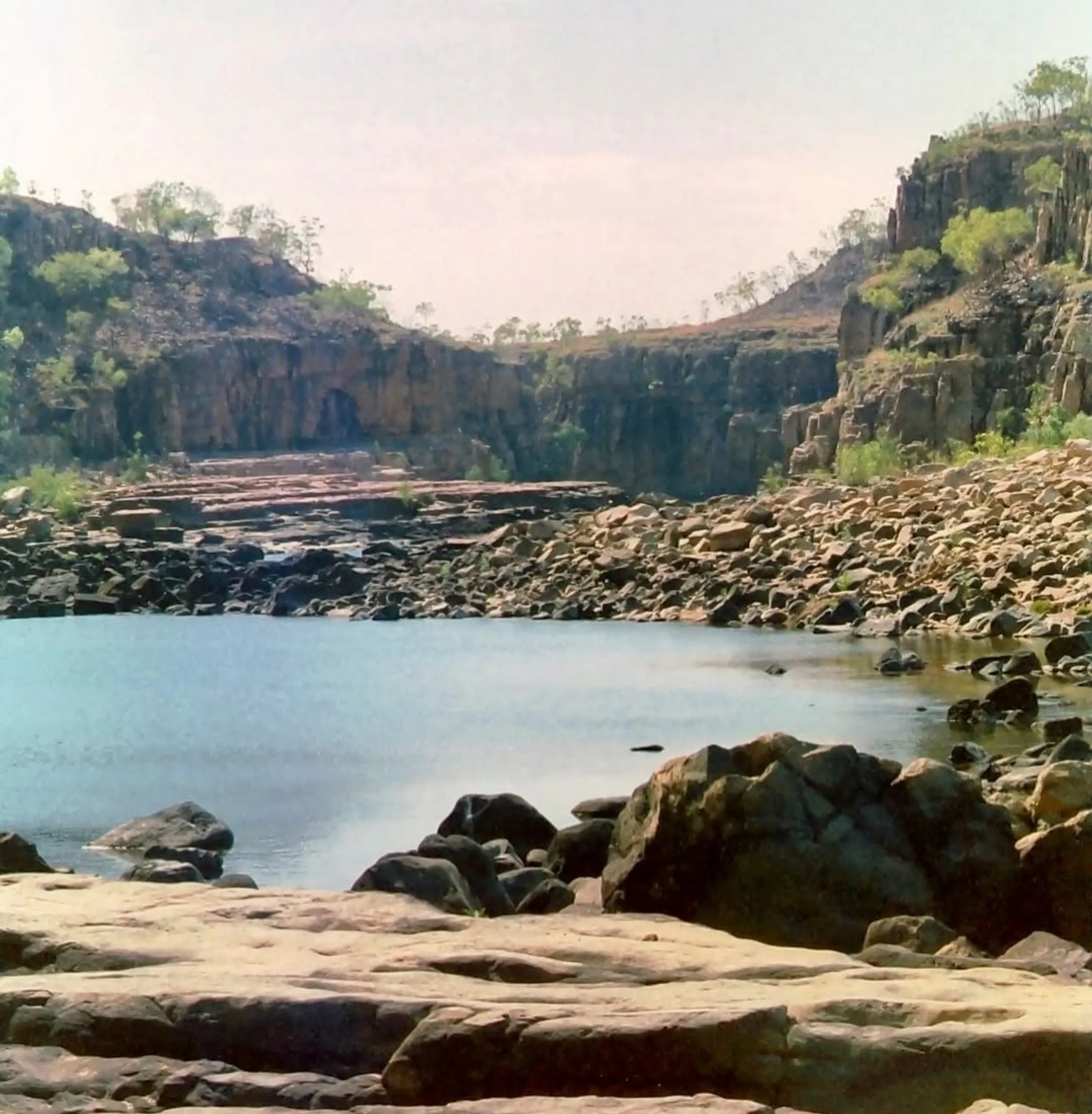
For Indigenous culture Cahills Crossing, Nourlangie Camp, Barramundi Creek will give you insight into the old ways, great shelter and the true meaning of the park in terms of Indigenous heritage. Kakadu has range of services including Muirella Park, safari camp and commercial camping areas so you can experience the park in many ways.
You can also visit the location of Crocodile Dundee’s filming, learn about crocodile hunting and even see crocodile shooting demonstrations that show the historical hunting of crocodiles.
Conservation and Sustainable Management
Kakadu National Park is managed by Parks Australia and Indigenous Traditional Owners to protect its natural, cultural and archaeological values. Conservation efforts focus on reducing commercial hunting, maintaining service stations and service town infrastructure and ensuring that the influence of people on the environment is balanced.
Also includes controlling feral buffalo, protecting special trees, and conserving habitats for northern quolls and insects.
Conclusion
Kakadu National Park is more than just a natural attraction—it is a land claim, a pastoral industry site, and an ecosystem of widely distributed species that has been supported by people for thousands of years. Although European explorers mapped the area in the 19th century, the Aboriginal people have been its true custodians for 65,000 years. To experience this rich history and breathtaking landscape, consider joining 1 day Kakadu tours from Darwin for an unforgettable journey into this ancient land.
Kakadu is one of Australia’s most prized locations, combining archaeological research, pastoral industry history and Indigenous culture. With its waterfalls, coastal waters and outlying formations, it’s an experience like no other that links modern conservation with ancient heritage. If you want Darwin to Kakadu day trip Autopia Tours offers Kakadu tours from Darwin to explore Kakadu’s wonders.
Frequently Asked Questions
When was Kakadu National Park established?
Kakadu National Park was declared in 1979 and later expanded in stages to its current size.
What is the best time to visit Kakadu National Park?
Best time to visit is during the dry season (May to October) when roads are open and weather is good to explore.
What wildlife can be found in Kakadu National Park?
Kakadu has saltwater crocodiles, freshwater crocodiles, pig-nosed turtles, various bird species and northern quolls etc.
Are there guided tours available in Kakadu National Park?
Yes, several tour operators including Autopia Tours offer Darwin to Kakadu tours to explore Kakadu’s landscapes, wildlife and culture.
What are some nearby attractions to visit along with Kakadu?
Nearby destinations include Litchfield National Park, Nitmiluk National Park, and Arnhem Land, which offer stunning natural and cultural experiences.